


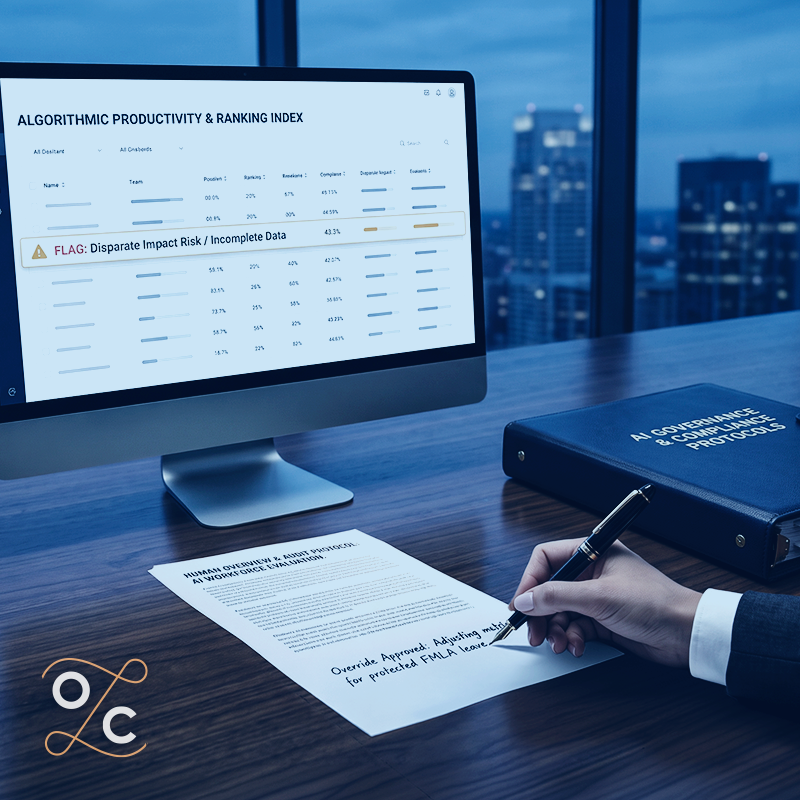
Artificial intelligence is rapidly becoming part of the workplace, not only in hiring, recruiting, and performance management, but increasingly in workforce reduction decisions. A recently filed lawsuit against Meta Platforms may become one of the first significant legal challenges testing whether an employer can be held liable when AI-assisted systems allegedly influence who is selected for layoff.
According to the complaint, 26 current and former employees allege that Meta relied on a collection of internal AI systems, productivity metrics, and algorithmic rankings to identify employees for a company-wide reduction in force. The plaintiffs contend that these systems disproportionately selected employees who had taken protected medical, family, pregnancy, or disability-related leave because the AI-generated performance metrics did not adequately account for periods when those employees were lawfully absent from work. Meta denies the allegations, maintaining that workforce decisions were made by human managers, not artificial intelligence, and that the claims lack merit.
Regardless of how this litigation is ultimately resolved, the case highlights an emerging issue for employers: AI-assisted decision-making does not eliminate legal responsibility. Employers remain accountable for employment decisions even when technology assists in evaluating performance, productivity, or workforce planning.
As organizations increasingly adopt AI tools, employers should carefully evaluate whether those systems:
One of the most important lessons from this case is that human oversight remains essential. An employer cannot simply rely on an algorithm's recommendation without understanding the data driving the result. If AI tools incorporate incomplete or biased inputs, those biases may be reflected in employment decisions, potentially exposing employers to claims under the Americans with Disabilities Act, the Family and Medical Leave Act, Title VII, state anti-discrimination laws, and other employment statutes.
The case also serves as a reminder that AI governance extends well beyond cybersecurity and data privacy. Employers should establish written policies governing the use of AI in employment decisions, identify who is responsible for reviewing AI-generated recommendations, maintain documentation of human review, and periodically audit AI systems to ensure they operate consistently with applicable employment laws. As regulators continue to focus on algorithmic bias, these governance practices will become increasingly important.
The broader takeaway is that artificial intelligence should be viewed as a decision-support tool, not a decision-maker. Employers that integrate AI into hiring, performance management, or workforce reductions should ensure that technology enhances sound human judgment rather than replaces it. Careful oversight today may significantly reduce litigation risk tomorrow.

Outside Legal Counsel LLP advises employers, executives, and boards on artificial intelligence governance, employment law compliance, reductions in force, workplace investigations, and developing legally compliant AI policies for the workplace. Contact us today.
#ArtificialIntelligence #EmploymentLaw #AIGovernance #WorkplaceCompliance #HRCompliance #RiskManagement
This newsletter is for informational purposes only, is not legal advice, and may be considered attorney advertising.
Disclaimer: Nothing on this website is or should be construed as legal advice. An attorney-client relationship does not exist with our firm unless a signed retainer agreement is executed, and we do not offer legal advice through this site or any of the content located on it. For legal advice for your particular circumstances, please contact us directly.
