


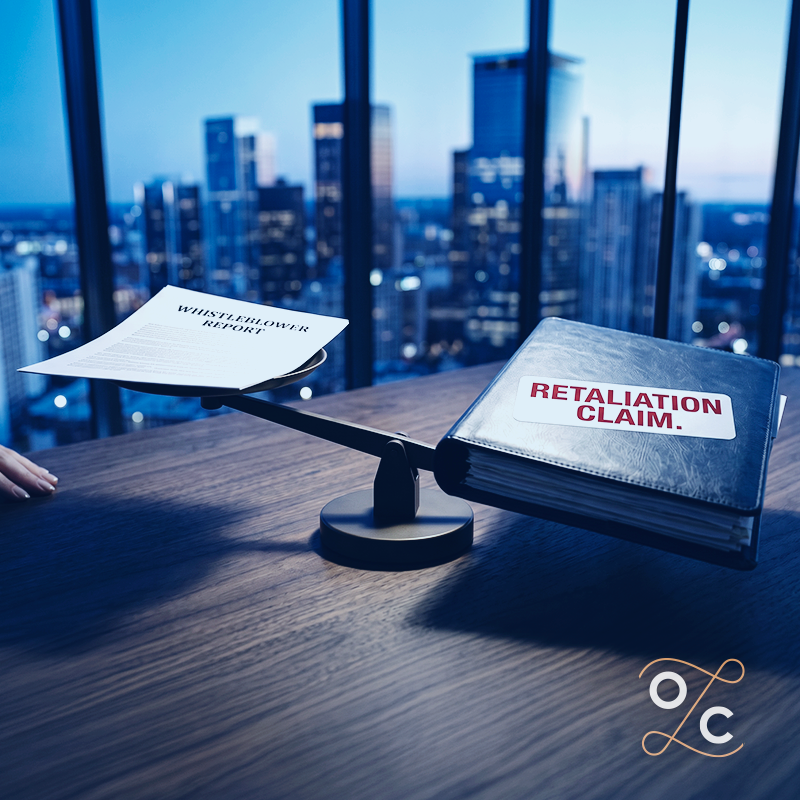
Whistleblower complaints often arise in highly regulated industries, but the legal principles apply to employers across virtually every sector. A recently filed lawsuit against a military drone manufacturer serves as a reminder that employees who report perceived safety, regulatory, or legal violations may be protected under numerous federal and state whistleblower laws, and that retaliation claims frequently create greater exposure than the underlying complaint itself.
According to reports, a former executive alleged that the company knowingly shipped lithium batteries that did not comply with applicable transportation and safety requirements for use in military drone systems. The executive further claimed that after repeatedly raising these concerns internally and refusing to participate in conduct he believed was unlawful, he was terminated in retaliation for his whistleblowing activities. The company disputes the allegations, and the claims remain unproven. Nevertheless, the lawsuit highlights the growing legal risks employers face when employees raise compliance or safety concerns.
While the specific facts will ultimately be determined through litigation, the case illustrates an important reality: employees do not have to be correct to receive whistleblower protection. In many circumstances, the law protects employees who report conduct they reasonably believe violates the law, even if an investigation later concludes that no actual violation occurred.
For employers, the case reinforces several important best practices:
One of the most common mistakes employers make is focusing exclusively on whether the employee's complaint was ultimately substantiated. From a legal perspective, the more important question often becomes why the employment decision was made and whether protected whistleblowing activity influenced that decision. Timing, documentation, consistency, and the identity of the decision-makers frequently become central issues in retaliation litigation.
The case also highlights the importance of maintaining an effective corporate compliance program. Organizations that foster a culture where employees feel comfortable raising concerns internally are often better positioned to identify and address potential issues before they become government investigations or civil litigation. Conversely, discouraging internal reporting, or creating the appearance that employees suffer negative consequences for speaking up, can significantly increase legal and reputational risk.
The broader takeaway is that employers should view whistleblower complaints as opportunities to evaluate compliance rather than as personal challenges to management. A prompt investigation, thoughtful response, and carefully documented employment decisions can substantially reduce the likelihood that a workplace concern evolves into costly retaliation litigation.

Outside Legal Counsel LLP advises employers, executives, and boards on workplace investigations, whistleblower complaints, employment law compliance, internal reporting programs, and strategies to minimize retaliation risk. Contact us today.
This newsletter is for informational purposes only, is not legal advice, and may be considered attorney advertising.
#EmploymentLaw #Whistleblower #Retaliation #WorkplaceInvestigations #Compliance #RiskManagement
Disclaimer: Nothing on this website is or should be construed as legal advice. An attorney-client relationship does not exist with our firm unless a signed retainer agreement is executed, and we do not offer legal advice through this site or any of the content located on it. For legal advice for your particular circumstances, please contact us directly.
